Why Does Noirci Studio Focus So Much on Provenance and Attribution?
Ask yourself this: in the rapidly evolving world of digital art marketplaces, distinguishing genuine work from dubious content is harder than ever — and more important. While flashy visuals and lower price tags may lure buyers, truly enduring value is rooted firmly in trust and credibility. This is where provenance and artist attribution emerge as foundational pillars — the very reason why Noirci Studio emphasizes them in every listing.
Defining Provenance: More Than Just a Paper Trail
Before diving deeper, let's clarify an essential term: provenance. In art circles, provenance is the chronological record of an artwork’s ownership and authenticity. Think of it as an artwork's detailed biography — documenting where it came from, who created it, how it has changed hands, and any certifications or exhibitions associated with it. This history allows buyers not just to confirm authenticity but to understand context and value.
In the digital art realm — especially with NFTs, prints, and limited editions — provenance plays an even more critical role. Without physical certificates or traditional gallery archives, provenance records become the buyer’s primary safeguard against forgery, plagiarism, and misattribution.
Building a Trust Framework in Digital Art Marketplaces
As detailed recently in Newsweek, digital art marketplaces face an uphill battle in establishing what we might call a trust framework. Buyers constantly ask:
- Is this artwork genuinely created by the named artist?
- Has it been altered or copied from elsewhere?
- How do I verify ownership and authenticity?
Without a robust trust framework answering these questions, many buyers feel understandably wary — a barrier to growing confidence in digital art collecting.
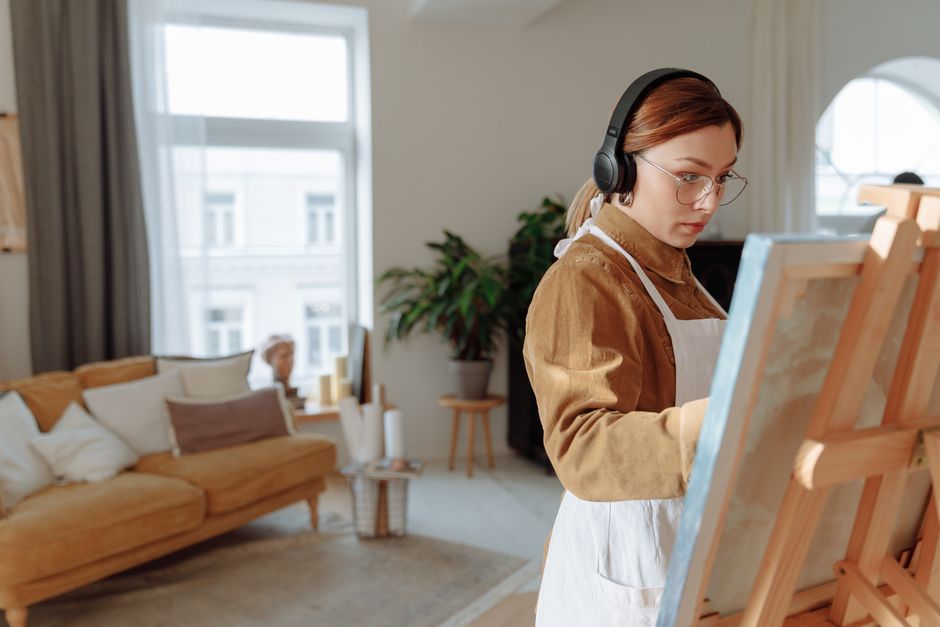
Noirci Studio goes a step beyond by making provenance records and artist biographies visible and easily accessible within every listing. This visibility builds buyer confidence through transparent documentation. Buyers know exactly who made the work, under what conditions, and for how much it has been sold previously.
Example: The $200 Original
Consider a beautiful digital print listed on Noirci Studio at $200. Without clear provenance and attribution, a buyer might wonder whether this piece is legitimately by the advertised artist, or simply a reproduction from an AI-generated batch or a photo sourced from the web.
With Noirci Studio’s clear provenance and detailed artist biography, the buyer can verify:
- The original creation date and medium
- Previous sales and ownership history
- Transparent artist identity with linked portfolios and social profiles
This clarity effectively reduces risk and fosters a trust framework where price matches quality and authenticity, rather than guesswork.
Artist Attribution and Transparent Biographies: Why They Matter
Here’s the core of Noirci Studio’s approach: every artist listing includes a comprehensive attribution, including clear documentation of the creator’s identity, career history, and artistic intention. This goes direct-to-consumer art market guide far beyond just a name on a digital file.
- Visible Authorship: Buyers can see who the creator is, along with links to the artist’s official website and social media. This provides a direct channel to verify legitimacy.
- Transparent Biographies: Understanding an artist’s background contextualizes the work, adding layers of meaning and collectible value.
- Ongoing Updating: As artists progress, Noirci Studio updates biographies to reflect new exhibitions, awards, and releases—maintaining freshness and trustworthiness.
Such transparent attribution answers a crucial question: who takes creative responsibility for the work? In a market cluttered with anonymous or pseudonymous sellers, clarity of authorship is paramount.
The Challenge of AI-Generated Imagery and Disclosure Expectations
One of the trickiest current issues in digital Take a look at the site here art marketplaces is the rise of AI-generated imagery. While AI tools can produce stunning pieces, a major concern is disclosure. Buyers want to know if a piece was created by human hands or assisted by AI algorithms.
Noirci Studio makes this expectation explicit. Listings must clearly disclose whether the artwork is AI-assisted or fully AI-generated. This respects buyer needs for transparency, avoiding the frustrating "hidden information" that some platforms still tolerate.
This policy addresses two key points:
- Buyer Verification: Knowing the creation method shapes expectations around originality and artistic intention.
- Market Credibility: Honest disclosure fosters industry-wide respect and reduces potential reputational damage down the line.
"Trust begins with honesty about you and your work," Noirci’s policies echo—a simple but crucial principle in today’s crowded marketplace.
Buyer Verification: A Practical Checklist
From my experience handling provenance and and buyer questions across multiple platforms, I keep a mental checklist for ensuring a trustworthy purchase. Noirci Studio’s model supports buyers through each step:
- Confirm Visible Authorship: Is the artist’s full identity and portfolio accessible?
- Examine Provenance Details: Are previous owners, transaction dates, and authentication records shown?
- Check Material and Technique Info: Is the medium, edition size (if applicable), and creation method stated?
- Verify AI Generation Disclosure: If AI is involved, is this fact clearly noted?
- Review Pricing Against Provenance: Does the price, such as $200 for an original print, match growing demand or scarcity signals?
- Use External Tools: Cross-reference artist profiles with third-party sources, social media, exhibitions, and publications.
Following this checklist helps buyers avoid pitfalls and ensures that “trust” in a digital marketplace is not just a buzzword but a verifiable reality.

Conclusion: Why Noirci Studio’s Focus Pays Off
In sum, Noirci Studio’s laser focus on provenance and attribution is well-earned and strategically essential. By cultivating a visible trust framework through transparent artist biographies, clear provenance records, and honest AI-disclosure policies, Noirci gives buyers what conventional marketplaces often neglect: a genuine sense of security and credibility.
Especially at price points around $200, where buyers want confidence without breaking the bank, Noirci Studio’s approach bridges the gap between accessibility and assurance. As digital art matures from fad to enduring asset, this model of open verification and visible authorship will likely become the gold standard.
When you buy from Noirci Studio, you’re not just acquiring a digital image — you’re investing in verified artistry, trusted history, and a transparent creator story. And that’s why provenance and attribution aren’t just details; they are the foundation of lasting trust in the digital age.